January 30, 2026
Deciding between roof repair and replacement is a crucial choice that impacts your home's safety, value, and long-term maintenance costs. Your roof protects your family and property from the elements, and making the wrong decision can lead to expensive issues down the line. Homeowners must consider the roof's current condition, age, material type, and the urgency of repairs when weighing their options. Additionally, understanding the financial implications, including both short-term repair costs and long-term investment returns, helps ensure a solution that balances durability and budget. By evaluating these factors carefully, you can make an informed decision that extends your roof's lifespan while protecting your home and investment.
Assessing Your Roof's Overall Condition
Understanding the current state of your roof is essential before deciding on repair or replacement. Begin with a visual inspection, looking for curling, cracked, or missing shingles, granule buildup in gutters, and discoloration signaling moisture issues. These visible signs help pinpoint areas that may need immediate attention. However, certain damages may not be apparent from the ground, making professional evaluation crucial. Experts can assess structural integrity, identify hidden problems, and provide recommendations tailored to the roof's age and material. According to iRoofing, homeowners may face insurance limitations in insurance options if their roof is over 15 years old, emphasizing the importance of timely inspections to prevent future coverage issues. This combined approach ensures informed decisions about whether a roof repair will suffice or if replacement is warranted.
Identifying Key Warning Signs for Repairs
Early detection of roofing issues can save considerable time and expense. Signs such as persistent leaks, sagging, and visible shingle damage indicate that repairs may be necessary. Interior indicators, including water stains on ceilings and walls, or higher energy bills due to poor insulation, also signal potential problems. Examining flashing around chimneys, vents, and skylights is equally critical, as damaged flashing can cause leaks and structural damage. Moss, algae, or other biological growth suggests trapped moisture that could compromise roofing materials. Recognizing these signs promptly allows homeowners to address localized damage with repairs before more extensive replacement is required.
Evaluating Roof Age and Material Type
The age and material of a roof directly influence its repair needs and lifespan. Asphalt roofs generally last 20–25 years, while metal, slate, or tile roofs can endure much longer. Homeowners should assess how long their roofing material is expected to last and consider whether ongoing repairs offer sufficient value. In many cases, upgrading to more durable or energy-efficient materials may justify replacement rather than repeated repairs. Additionally, some heavier materials may require structural reinforcement, while lighter materials can reduce stress on your roof's frame. Careful consideration of both existing and potential materials helps determine whether a roof repair will meet long-term needs or if replacement is the better investment.
Detecting Moisture and Leaks Early
Moisture and leaks can escalate quickly, leading to structural damage and mold growth. Look for water stains in ceilings and attics, buckled shingles, and deteriorated flashing as clear indicators. Leaks often occur in valleys, dormers, and around flashings, which may be difficult to detect without professional tools. Early identification through inspections, combined with modern leak detection methods, ensures that repairs address the root cause effectively. Timely intervention can prevent widespread water damage, reduce mold risks, and extend the life of your roof, making roof repair a practical and proactive solution for many homeowners.
Benefits of Professional Roof Inspections
Professional inspections provide a level of expertise that goes beyond standard homeowner checks. Experts can identify hidden damage, evaluate previous repairs, and recommend the best course of action. Sharing your roof's history and insurance details helps inspectors tailor their recommendations and assess whether repairs or replacement are most cost-effective. Regular inspections, ideally annually or after major storms, help prevent small issues from becoming costly problems. Engaging professionals increases confidence in roof repair decisions while safeguarding your home's long-term integrity.
Understanding Short-Term and Long-Term Costs
Comparing the costs of roof repair versus replacement requires considering both immediate and future expenses. Repairs typically involve lower upfront costs but may require recurring maintenance if damage persists. Replacement entails higher initial investment but can prevent ongoing repair costs and add value to your property. Evaluating both short-term and long-term costs helps homeowners weigh the financial trade-offs, ensuring the selected solution aligns with budgetary constraints while addressing all roofing concerns effectively.
Considering Return on Investment
Return on investment (ROI) stems from improvements in both home value and energy efficiency after roofing projects. Replacing an aging roof can increase resale value, attract potential buyers, and reduce maintenance frequency. Energy-efficient roofing materials, such as reflective shingles or enhanced insulation, decrease heating and cooling costs over time, yielding financial savings. Roof repair can also contribute to ROI by extending the life of existing materials, deferring larger replacement expenses. Homeowners should weigh repair frequency against potential long-term gains to choose the most financially beneficial option.
Understanding Material Costs and Options
Material selection directly impacts roof repair budgets. Standard asphalt shingles offer cost-effective solutions, whereas premium materials like metal, slate, or solar-integrated roofing require higher investments but offer durability and longevity. Material costs fluctuate based on supply, seasonal demand, and supplier reputation. Choosing high-quality materials ensures repairs last longer, reducing future maintenance costs. Proper selection aligned with budget and expected roof performance is critical to optimizing investment returns while achieving reliable repair outcomes.
Seasonal and Weather Considerations for Roof Work
Weather and seasonal conditions influence the timing of roof repair projects. Extreme temperatures, heavy rain, or snow can delay work and affect material performance. Scheduling repairs during moderate weather enhances installation quality and efficiency. Understanding local climate patterns and coordinating projects around favorable conditions minimizes weather-related delays and ensures longer-lasting repairs. Proper timing also reduces labor and material risks, helping homeowners get the most from roof repair investments.
Urgent Repairs versus Planned Replacements
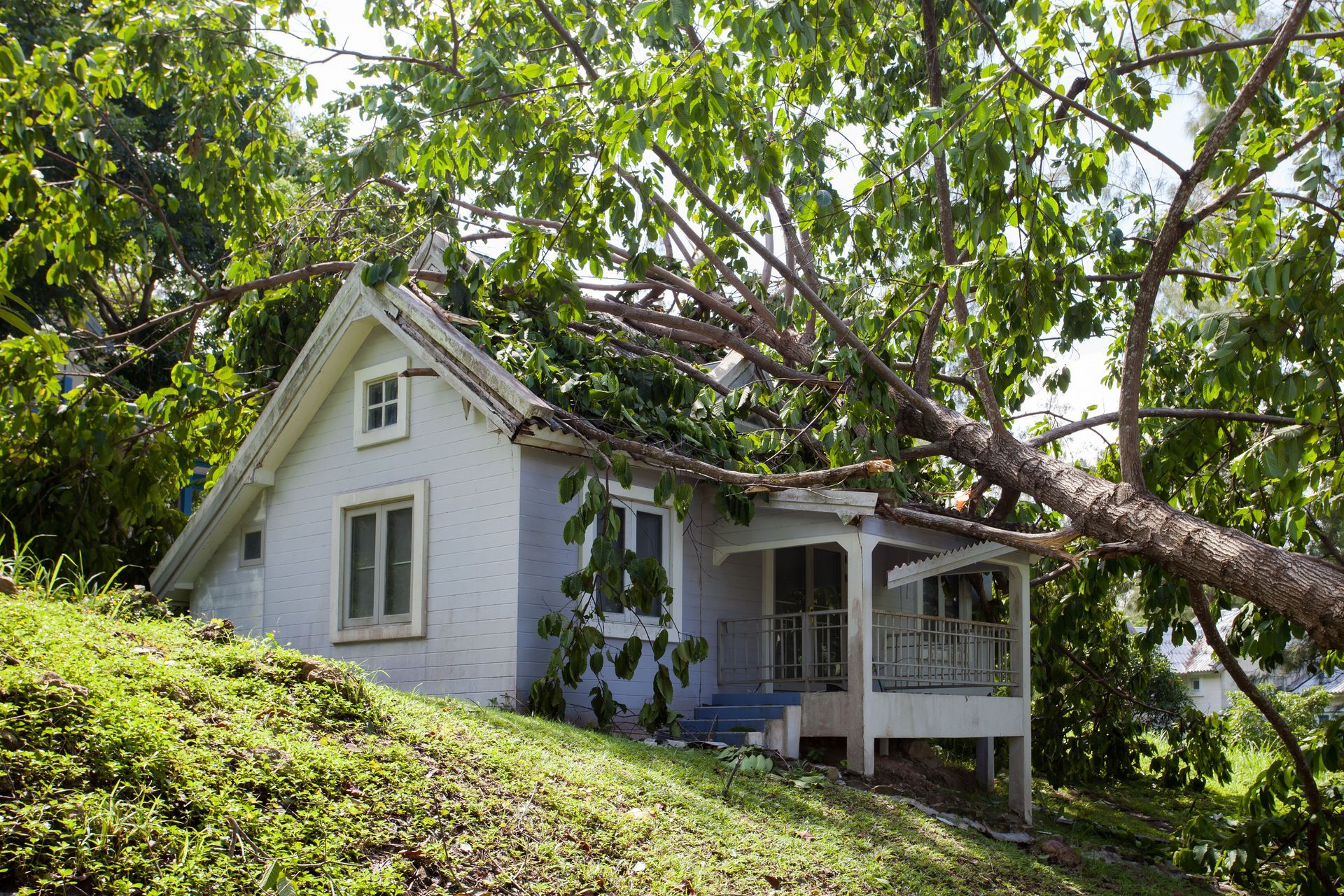
Deciding between immediate repairs and planned replacements requires evaluating urgency and long-term needs. Storm damage, leaks, or structural risks may necessitate urgent roof repair to protect your home. Conversely, scheduled replacements allow for strategic planning, material selection, and budget management. Aligning repairs with proactive long-term planning ensures the home remains safe and investment-worthy. Professional guidance helps homeowners determine when repair is sufficient and when replacement is the most effective choice.
Project Duration and Logistics for Repairs
The scale and complexity of roofing projects affect project duration. Repairs typically take less time than full replacements, focusing on localized issues. Replacement projects may involve teardown, disposal, structural adjustments, and new material installation, requiring extended timelines. Proper scheduling and communication with contractors ensure timely completion, minimizing disruption. Understanding project logistics allows homeowners to plan for both repairs and replacements efficiently, ensuring a smooth and successful outcome.
Temporary Solutions to Address Immediate Roofing Needs
Temporary measures, such as tarps, patch repairs, or hazard sealing, provide interim protection while planning permanent repairs or replacement. These solutions prevent further damage from weather exposure and mitigate risks to structural integrity. Properly applied temporary fixes buy homeowners time to coordinate full roof repair or replacement while maintaining safety. Employing such strategies ensures urgent issues are managed promptly, protecting your home until comprehensive solutions are implemented.
Ultimately, choosing between roof repair and replacement requires a careful evaluation of condition, age, materials, cost, and urgency. Professional guidance ensures issues are correctly identified and addressed, maximizing both safety and long-term value. By considering these factors, homeowners can select solutions that preserve their investment and protect their home. For reliable and expert service that ensures lasting results, contact Ameristar Roofing & Restoration for your roofing needs.