November 13, 2026
A durable roofing system requires more than quality shingles and proper installation. Every component plays an important role in protecting a property from moisture, temperature changes, and severe weather. Ice and water barriers are particularly important because they provide an additional layer of protection in vulnerable areas where water can penetrate beneath roofing materials. Experienced roof contractors prioritize these barriers to help prevent leaks, protect structural components, and extend the life of a roofing system.
These protective measures are especially valuable around roof valleys, eaves, and other areas exposed to water buildup. By choosing appropriate materials and ensuring each layer is installed correctly, roofing professionals can reduce the risk of costly moisture damage. Regular inspections and timely maintenance also help preserve the effectiveness of the entire roofing system over time.
Understanding the Purpose of Ice and Water Barriers
Ice and water barriers are waterproof underlayment materials installed beneath shingles and other roofing materials. Unlike traditional roofing felt, these barriers typically feature a self-adhering backing that creates a watertight seal against the roof deck. This helps prevent water from entering the home if moisture gets underneath the primary roofing material.
These barriers are especially important in areas where roofs are more susceptible to water intrusion. Roof contractors understand that shingles alone cannot provide complete protection against all weather conditions, particularly when ice, melting snow, or wind-driven rain increases moisture exposure.
Ice and water barriers are commonly installed in vulnerable areas, including:
- Roof valleys where water from multiple roof sections collects and flows downward.
- Eaves where melting snow can contribute to ice dams.
- Roof penetrations surrounding chimneys, vents, and skylights.
- Roof edges and other transitions where water may enter.
By adding this protective layer, roofing professionals can help reduce the likelihood of moisture reaching the underlying roof deck and interior spaces.
Preventing Water Damage and Ice Dams
One of the primary reasons roofing professionals prioritize ice and water barriers is their ability to help prevent water damage. During colder months, snow can accumulate on a roof and gradually melt as temperatures fluctuate. When water reaches colder roof edges, it may refreeze and create an ice dam.
Ice dams can prevent additional melting snow from draining properly. As water collects behind the ice, it may work its way beneath shingles and enter the roofing system. This can lead to damaged roof decking, insulation problems, ceiling stains, and interior water damage.
A properly installed ice and water barrier provides an additional waterproof layer that helps prevent this moisture from reaching vulnerable parts of the roof structure.
Experienced roof contractors also recognize that barriers are only one part of effective ice dam prevention. Proper attic ventilation, insulation, and drainage are important for managing roof temperatures and reducing the conditions that contribute to ice buildup.
Protecting Vulnerable Roofing Areas
Not every section of a roof faces the same level of moisture exposure. Certain areas experience greater water accumulation, drainage challenges, or weather-related stress. These locations require additional attention during installation and maintenance.
Roof valleys are particularly vulnerable because they collect water flowing from adjoining roof slopes. If shingles become damaged or improperly installed in these areas, moisture may reach the underlying structure.
Eaves also require careful protection because melting snow can refreeze along the roof edge, creating conditions conducive to ice dams.
Roof penetrations present another potential source of leaks. Chimneys, plumbing vents, and skylights interrupt the continuous roofing surface, creating transitions that must be properly sealed.
Roof contractors prioritize these vulnerable areas by evaluating the roof's layout and determining where additional waterproofing protection is necessary. Careful placement helps create a more dependable roofing system and reduces opportunities for moisture intrusion.
Extending Roof Lifespan and Reducing Repair Costs
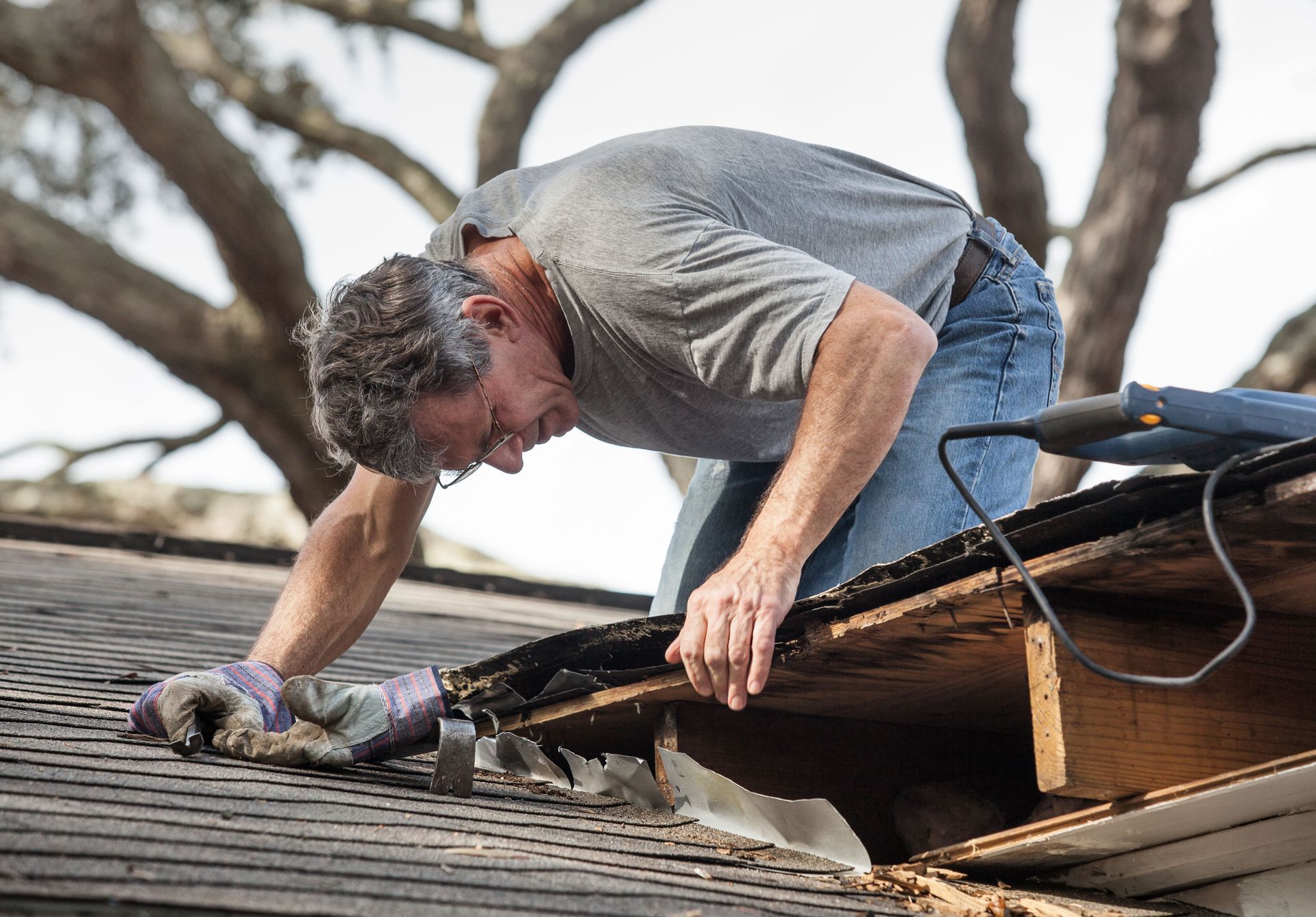
Water damage can affect more than the visible roofing materials. When moisture repeatedly reaches the underlying roof deck, it can contribute to wood deterioration, mold growth, damaged insulation, and other structural concerns. These problems may require extensive repairs if they are not identified early.
Installing an ice and water barrier helps reduce the risk of moisture-related deterioration by providing another layer of defense beneath the primary roofing materials. Although no roofing component can eliminate every possibility of damage, additional waterproofing can help protect the investment homeowners make in their roofs.
According to Benchmark International, the global roofing market is expected to continue expanding, with projections indicating a 4.3% compound annual growth rate and a value of $327.83 billion by 2028. This anticipated growth reflects increasing attention to roofing improvements, weather resistance, and the long-term performance of roofing systems.
Prioritizing protective materials during installation can also help homeowners avoid expenses associated with recurring leaks and premature deterioration. Roof contractors consider these preventive measures an important part of building a roofing system designed for lasting performance.
Supporting Proper Roofing Installation and Performance
The effectiveness of an ice and water barrier depends heavily on proper installation. Even high-quality materials may fail to provide adequate protection if they are applied incorrectly or installed over an improperly prepared surface.
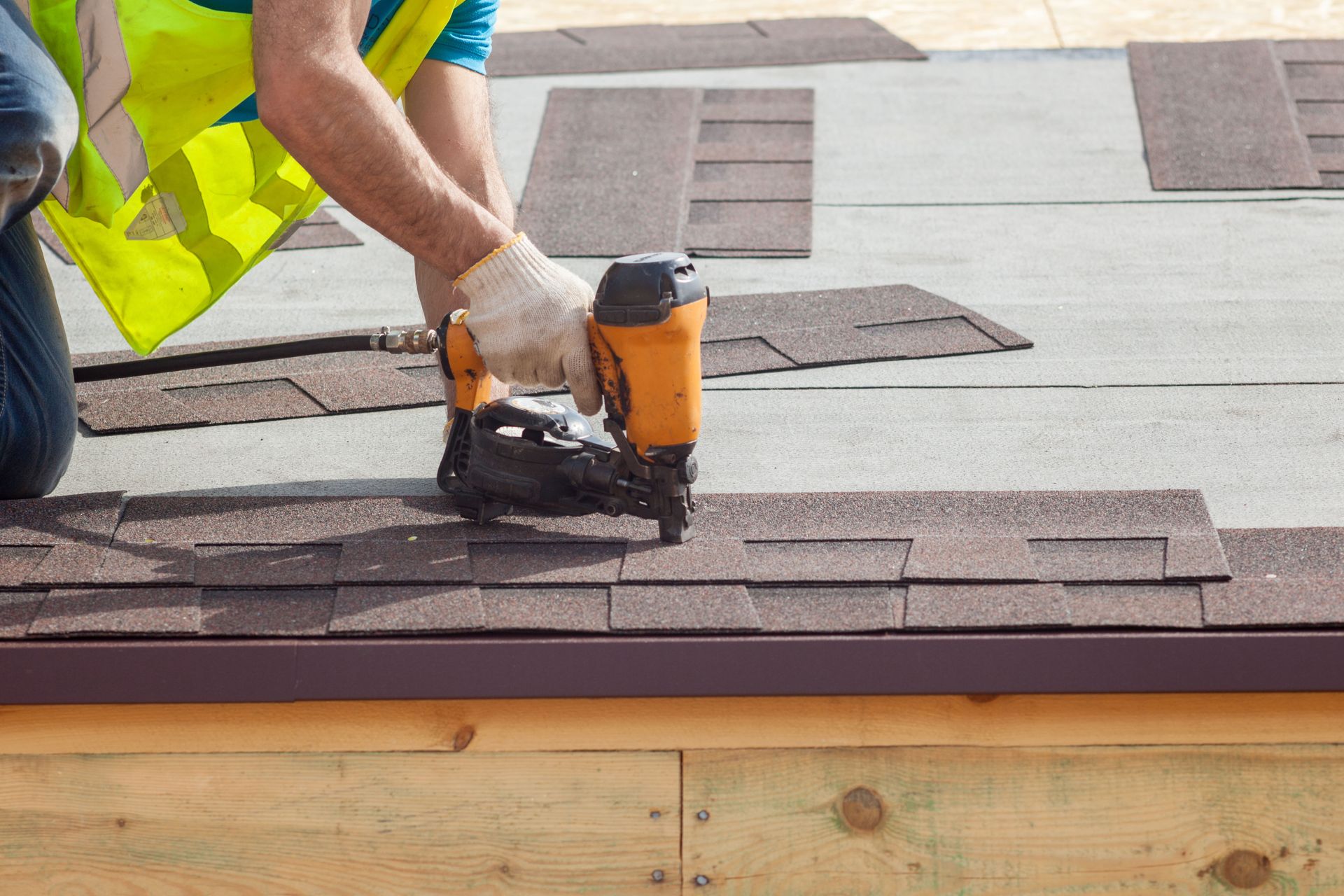
Before installation, roofing professionals must ensure the roof deck is clean, dry, and suitable for the underlayment. The barrier must then be positioned according to manufacturer specifications, with appropriate overlaps and attention to seams and edges.
Important installation considerations include:
- Surface Preparation: Removing debris and ensuring the roof deck is ready for the self-adhering material.
- Proper Placement: Installing barriers in vulnerable locations in accordance with applicable building codes and manufacturer recommendations.
- Secure Adhesion: Making sure the material adheres properly to the roof deck without wrinkles or gaps.
- Seam Protection: Overlapping sections appropriately to reduce opportunities for water penetration.
- Material Compatibility: Selecting products that work with the roofing materials and overall system design.
Professional installation helps ensure that the barrier functions as intended without interfering with other roofing components.
Choosing Qualified Roofing Professionals
Selecting an experienced roofing company is essential when installing or replacing a roofing system. Homeowners should look for professionals who understand how different roofing components work together and recognize the importance of proper moisture protection.
Qualified roof contractors should be able to evaluate a property's roofing needs, provide material recommendations, and identify areas that require additional protection. They should also understand local weather conditions and applicable building requirements when planning an installation.
Before hiring a company, homeowners should ask about its installation process, experience with ice and water barriers, and approach to protecting vulnerable roof areas. Reviewing past projects and confirming that the contractor follows manufacturer guidelines can also help ensure the roofing system is installed correctly and provides dependable protection against moisture.
Protecting Your Roof From Winter Water Damage
Ameristar Roofing & Restoration provides residential and commercial roofing services, as well as roof repairs, inspections, and maintenance. The company also offers storm-damage services to help property owners address weather-related roofing issues. With more than two decades of experience, its team works with homeowners and businesses to protect their properties through professional roofing solutions.
When discussing a roofing project, homeowners should ask about underlayment options, ice-and-water barrier placement, manufacturer specifications, and available warranties. Understanding these details makes it easier to evaluate the proposed roofing system and the protection it provides.
Experienced roof contractors can also explain how specific materials and installation methods help prevent winter moisture problems. Before work begins, property owners should discuss vulnerable areas, such as roof valleys and eaves, to determine where additional protection may be needed. For help planning a roofing project, contact Ameristar Roofing & Restoration to discuss available services and schedule an inspection.