August 6, 2026
Deciding between a quick roof repair and a costly roof replacement can be a stressful guessing game for homeowners. Fortunately, roofing professionals eliminate the guesswork by using a systematic evaluation process that looks far beyond superficial wear. By analyzing everything from surface damage and subsurface structural integrity to material-specific vulnerabilities—like aged asphalt, stressed metal, or rotting wood—experts can accurately determine whether a roof can be saved or if it is past the point of no return. This article lifts the shingles on how pros make that critical call, guiding you through the precise science of protecting your home's most important shield.
Inspections and Assessments
Starting Simple With Visual Inspections
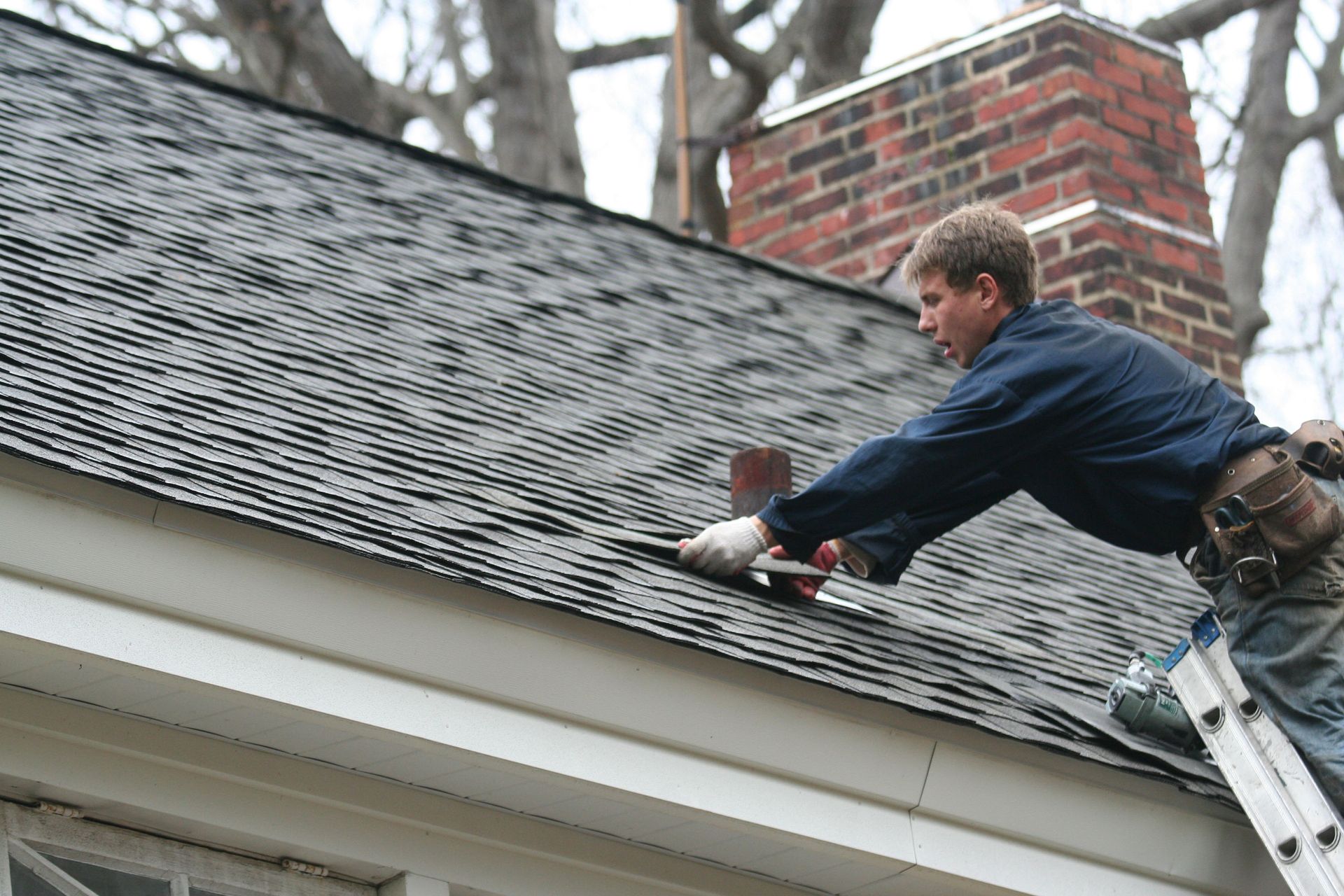
Roofing professionals begin their evaluations with detailed visual inspections. This process includes scanning the entire roof surface for obvious signs of wear, such as missing or broken shingles, water stains, and debris accumulation. Carefully walking the roof, they check for signs of sagging or uneven areas that might indicate underlying structural issues. Additionally, inspectors often utilize high-resolution cameras and drones to capture hard-to-reach areas, ensuring no potential risk goes unnoticed. All these measures are crucial in forming an overall understanding of the roof's condition before considering costlier interventions.
Visual inspections serve as the first line of defense in diagnosing roofing issues and determining the extent of damage. They help professionals assess whether the problem at hand can be rectified with simple repairs or if it necessitates a full roof replacement. By meticulously examining the roof, inspectors can advise on the most effective course of action, preventing premature re-roofing and saving the homeowner unnecessary expenses. Importantly, these assessments lay the groundwork for more detailed diagnostic processes, ensuring a thorough analysis.
Searching for and Identifying Common Roofing Issues
Common roofing issues typically revolve around leaks, damaged shingles, and poor ventilation. Leaks are often the most urgent problems that trigger inspections, as they directly impact the interior by causing water damage and mold growth. Damaged shingles, whether through cracking, curling, or outright absence, compromise the roof's ability to protect the structure beneath. Improper ventilation can lead to heat retention and moisture accumulation, accelerating material degradation and reducing the roof’s lifespan. Identifying these issues during initial inspections helps professionals decide whether repairs can restore the roof to its optimal condition.
In addition to visible damage, experts assess the condition of the roof’s underlying decking and other substructures to confirm there are no hidden problems. Unidentified issues in these areas could compromise the roof’s integrity, making repair efforts less effective. By evaluating both the surface and subsurfaces, roofing professionals can recommend comprehensive solutions, maintaining the home's overall structural integrity. These insights influence the decision to repair or replace based on the extent and nature of the identified issues.
Determining the Structural Integrity
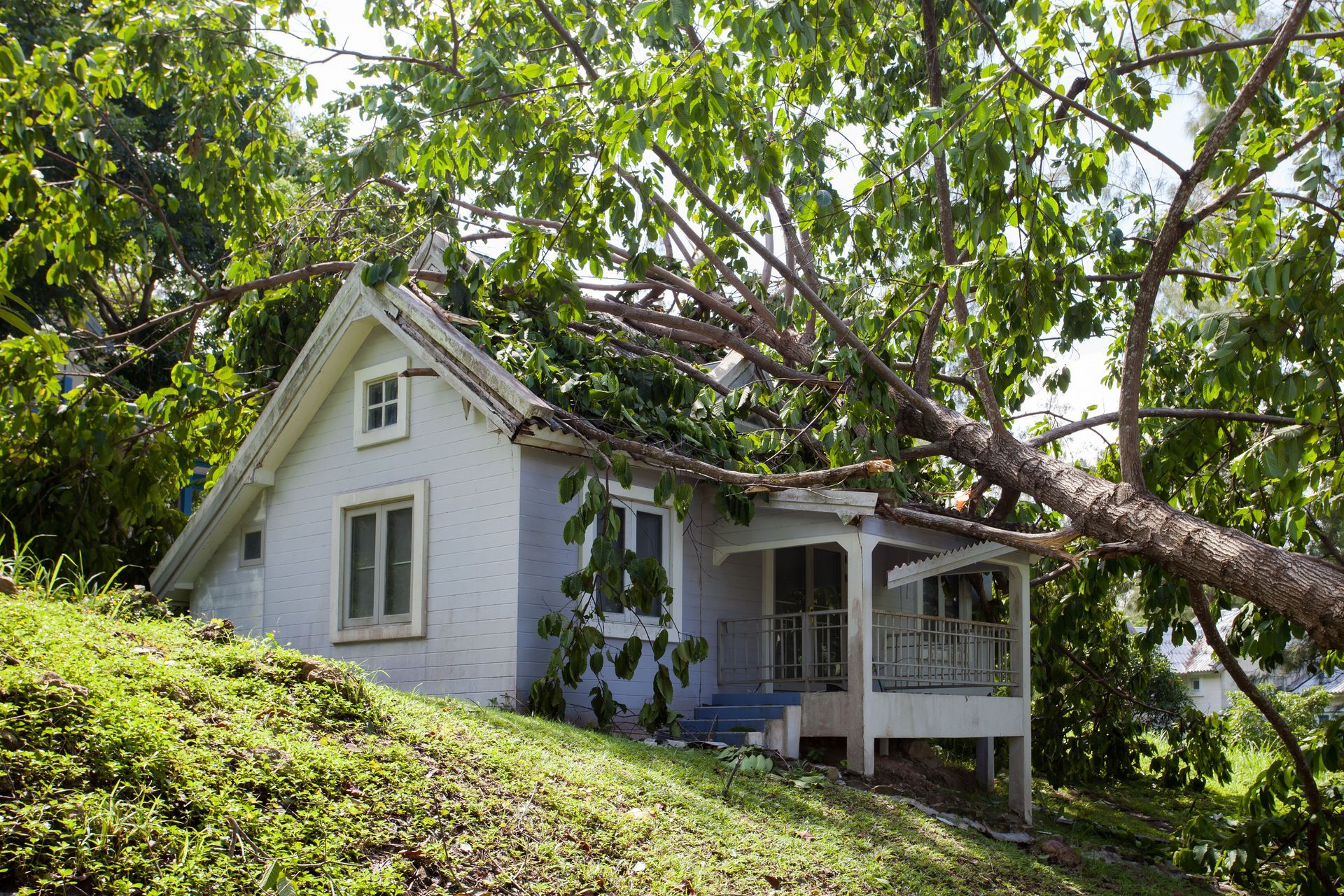
A critical part of roofing inspections involves evaluating the structural integrity of the roof. This goes beyond superficial damage and dives into the actual supportive framework of the roof, including trusses, rafters, and other essential structural components. Professionals expertly assess whether these elements are solid or compromised because failures in structural integrity can have disastrous consequences, necessitating extensive repairs or a total roof replacement. Determining structural strength helps inform the decision on whether simple repairs can suffice or if complete overhauls are unavoidable. It acts as a cornerstone deciding factor in roof evaluations.
Examining the roof’s ability to safely bear weight, particularly in areas susceptible to snow accumulation or other weighty elements, gives insight into potential future problems. Often, weakness in structural integrity may not be immediately visible but can manifest over time, leading to significant challenges if left unattended. Moreover, professionals may look for indications of sagging or bending, which could signal underlying structural inadequacies. By confirming the roof's structural health, professionals can prioritize necessary interventions to protect the property's overall stability.
Factoring in Roofing Material Types
Asphalt Shingles Assessment
Asphalt shingles remain one of the most common roofing materials due to their affordability and ease of installation. Professionals assessing these shingles consider a variety of factors, including their age, which, according to Roofing Calculator, typically ranges from 15 to 25 years, along with their current state. Inspectors look for brittleness, missing granules, or curling, as these signs indicate potential failures in the near future. Additionally, environmental conditions like excess moisture or high winds can prematurely age asphalt shingles. By evaluating these signs, professionals can recommend either spot repairs for localized issues or a complete roof replacement if the roof nears the end of its functional lifespan.
Professionals also need to assess the underlying support systems and ventilation when evaluating asphalt shingles. Inadequate ventilation can cause shingles to warp or crack over time, leading to holes and leaks. Evaluating these aspects ensures the roof not only serves its functional purpose but also complies with local building standards. Such comprehensive assessments are essential to developing a repair or replacement strategy that maximizes both performance and tenure. It guarantees that the recommendations made to homeowners are not based solely on the shingles’ condition but also on the holistic environment in which they operate.
Metal Roofing Considerations
Metal roofing proves appealing for its durability, energy efficiency, and aesthetic flexibility. Professionals tasked with evaluating metal roofs start by assessing the integrity of fasteners and joints, as these areas are prone to environmental stress and thermal expansion. Rust or corrosion, although less common in modern coatings, is another key factor when evaluating metal roofs. Regular maintenance can manage minor surface corrosion, but deeper damages could necessitate sectional repairs or even a full roof replacement, depending on the severity. Understanding these distinctions allows experts to tailor interventions, ensuring long-term viability and structural soundness.
When evaluating metal roofs, professionals also consider the impact of weather patterns on their longevity. Hail and windstorms, for instance, can dent metal surfaces, although they might not directly pertain to leaks. The difference in how metal endures climate extremes compared to more pliable roofing materials is critical in deciding whether to pursue repairs or replacements. A well-maintained metal roof not only performs excellently in these conditions but also often exceeds the lifespan of other materials. Evaluation findings help homeowners make informed decisions, leveraging the benefits of metal materials while addressing any specific damage concerns.
Wood Shake and Shingle Challenges
Wood shakes and shingles have a traditional charm but bring unique considerations during assessments. Naturally susceptible to elements like moisture and insects, they require thorough examinations for rot and pests. Pest infestations can significantly diminish the structural integrity of wood shingles, necessitating expert intervention. Evaluating the degree of damage informs whether selective shingle fixes or a partial roof replacement is appropriate. By understanding these challenges, roofing professionals can guide homeowners towards maintaining the rustic appeal of wood while ensuring ongoing durability.
Weather plays a significant role in the longevity of wood roofing materials, with conditions like heavy rainfall or high humidity accelerating deterioration. Surface treatments and regular maintenance can mitigate some weather-related issues, lending wood its sustainable beauty. During assessments, experts consider both the material’s current state and the owner’s commitment to continued maintenance, advising accordingly on the best course of action. The challenge lies in balancing aesthetic desires with practical functionality, ensuring wood roofs serve both purposes effectively.
Choosing between a targeted repair and a total roof replacement hinges on a professional calculation of structural health, material degradation, and long-term cost efficiency. While a complete overhaul requires a larger upfront investment, relying on a thorough expert diagnostic ensures you avoid wasting money on temporary patches for a fundamentally failing structure. By understanding the critical factors pros evaluate, from framework stability to ventilation, you can approach your next roofing decision with absolute confidence, ensuring your home remains safe, dry, and secure for decades to come. Stuck choosing between a repair and a replacement for your roof? Reach out to the experts over at Ameristar Roofing & Restoration today for an expert inspection and service.