July 27, 2026
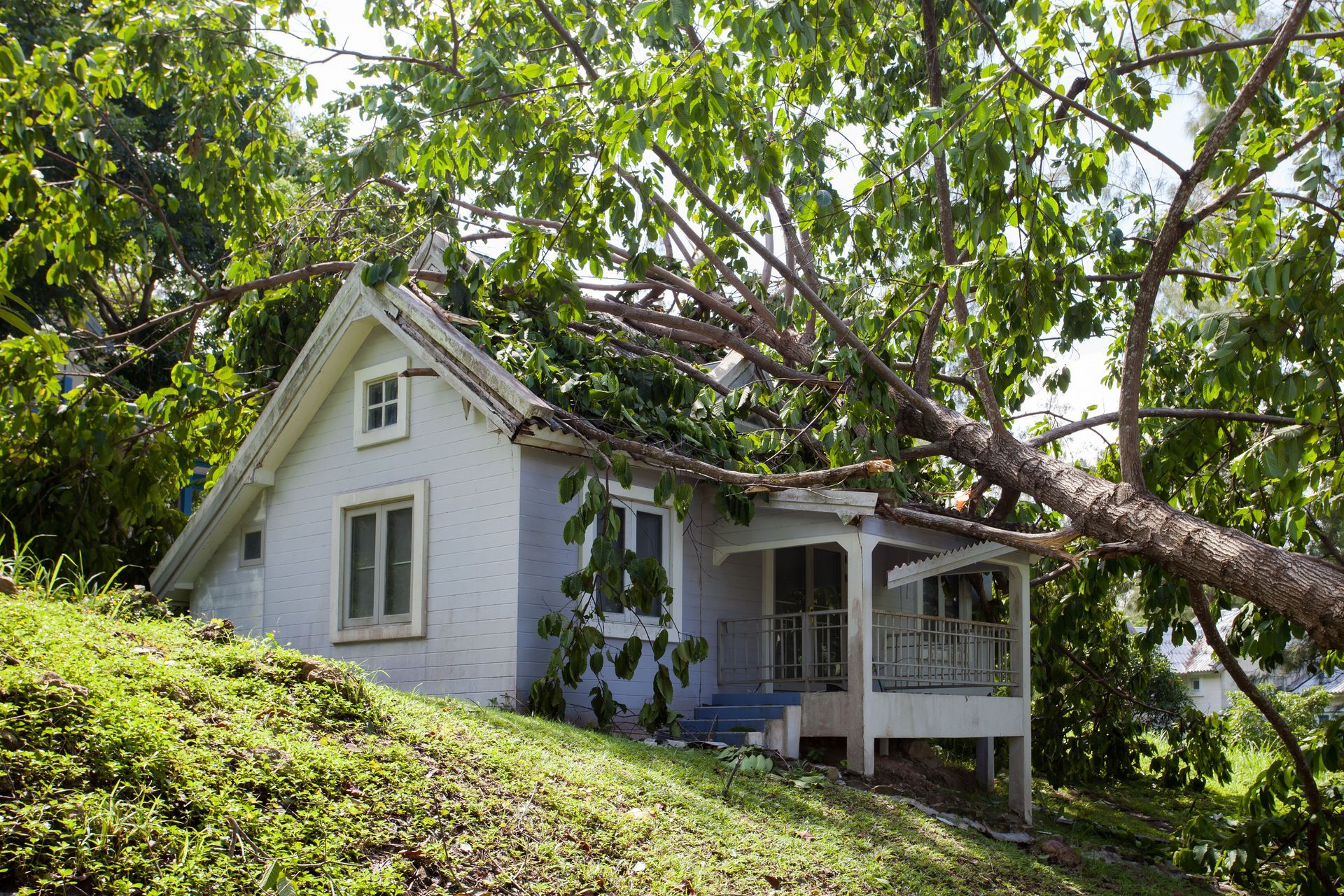
Severe storms bring intense winds, heavy downpours, and destructive hail that can compromise the structural integrity of a residential property. When a major weather system passes through a residential area, the overhead protective canopy of the home bears the brunt of the impact. Homeowners often feel overwhelmed during the aftermath of a severe weather event, wondering how to address potential damage safely and effectively. Neglecting the immediate aftermath of a tempest can lead to progressive deterioration, resulting in extensive leaks and compromise of interior ceilings. Navigating the recovery process requires a methodical approach that prioritizes safety, documentation, and professional assistance. By focusing on established recovery protocols, property owners can protect their investments and ensure their households remain safe and dry. Understanding how to handle the aftermath of a storm helps individuals make informed decisions about necessary restoration steps. Professional guidance during this challenging period ensures that any required roof repair is completed to the highest standards of safety and durability.
Assessing the Visible Damage
Immediately following a major storm, property owners must evaluate the state of their property from a safe vantage point on the ground. Walking around the perimeter of the residence allows for a preliminary visual inspection without risking personal safety on a ladder. Observers should look for displaced shingles, fractured tiles, or metal flashing that has peeled away from the edges. High winds can lift materials easily, exposing the underlayment underneath to subsequent rainfall and moisture penetration. Additionally, checking the gutters and downspouts from the ground can reveal accumulated granules, which indicate significant wear and tear on asphalt shingles. Identifying these issues early prevents minor vulnerabilities from cascading into major structural failures during subsequent rainfalls.
While conducting the ground inspection, it is equally important to examine the interior of the home for signs of water intrusion. Water stains on the ceilings, damp spots on attic rafters, and bubbling paint along the walls often indicate that the external barrier has been breached. Even a small leak can cause rot to develop within the wooden framework of the attic if left unaddressed. Professional assistance is vital during this stage to determine the precise source of the leak, as water often travels along rafters before dripping onto ceilings. According to This Old House, you should get your roof inspected once a year or after any major weather event. Following this professional guidance helps homeowners prepare for a timely roof repair before hidden issues cause extensive and costly internal damage to the residential structure.
Documenting the Physical Impact
Thorough documentation plays a vital role in securing a successful recovery and ensuring that all damage is properly cataloged for restoration purposes. Property owners should take clear photographs of the entire property from multiple angles while standing safely on the ground. Capturing wide shots of the overall structure as well as close-up images of fallen debris, damaged landscaping, and dented gutters provides a complete picture of the storm. These visual records serve as essential evidence when presenting information to insurance representatives and structural specialists. Maintaining an organized file of these photographs ensures that no details are overlooked during the subsequent evaluation process. This proactive approach helps establish a clear timeline of when the damage occurred in relation to the weather event.
Along with photographic evidence, keeping a written log of observed anomalies and the exact timing of the storm is highly beneficial. Noting the size of hail, the estimated speed of the wind, and any immediate consequences, such as fallen tree limbs, provides valuable context. This comprehensive record assists professionals when they arrive to conduct a comprehensive structural evaluation and plan the necessary roof repair. Having detailed documentation ready streamlines the assessment process and ensures that all affected areas receive proper attention. This preparation also helps prevent discrepancies during discussions regarding the scope of the restoration work. Relying on detailed records guarantees that the restoration plan addresses every point of vulnerability identified after the storm.
Navigating the Complex Claim
Filing an insurance claim after a severe weather event can feel complicated, but understanding the steps involved simplifies the process significantly. Property owners should contact their insurance provider promptly to report the damage and initiate the evaluation process. Providing the representative with the organized documentation and photographs collected immediately after the storm helps expedite the claim. The insurance provider will typically schedule an adjuster to visit the property and conduct an independent assessment of the structural damage. It is highly beneficial to have a qualified professional present during this adjuster visit to ensure all damage is identified. This collaborative evaluation ensures that the insurance estimate accurately reflects the actual physical requirements of the project.
After the insurance adjuster completes the evaluation, the homeowner receives a detailed summary outlining the approved scope of the restoration. Reviewing this document carefully ensures that all necessary repairs, including the essential roof repair, are covered under the policy terms. If any discrepancies arise between the adjuster's estimate and the professional contractor's assessment, the homeowner can request a reevaluation. Working closely with experienced specialists who understand how to communicate with insurance providers can help resolve these differences smoothly. Resolving these details before starting any construction work prevents unexpected financial burdens and ensures a seamless transition to the actual rebuilding phase. This careful oversight guarantees that the property receives the full level of restoration required to restore its structural integrity.
Hiring the Qualified Specialist
Selecting the right professionals to handle the roof repair is the most critical decision in the entire recovery process. Property owners must avoid transient contractors who appear immediately after a storm, often offering quick fixes that lack durability. Instead, seeking out local, established companies with a proven track record of quality workmanship ensures long-term peace of mind. A reputable specialist will provide clear written estimates, licensing verification, and comprehensive insurance coverage information before any agreement is signed. These credentials protect the homeowner from liability and guarantee that the work meets local building codes and safety regulations. Relying on local experts also means they will be available to honor warranties and provide future maintenance if needed.
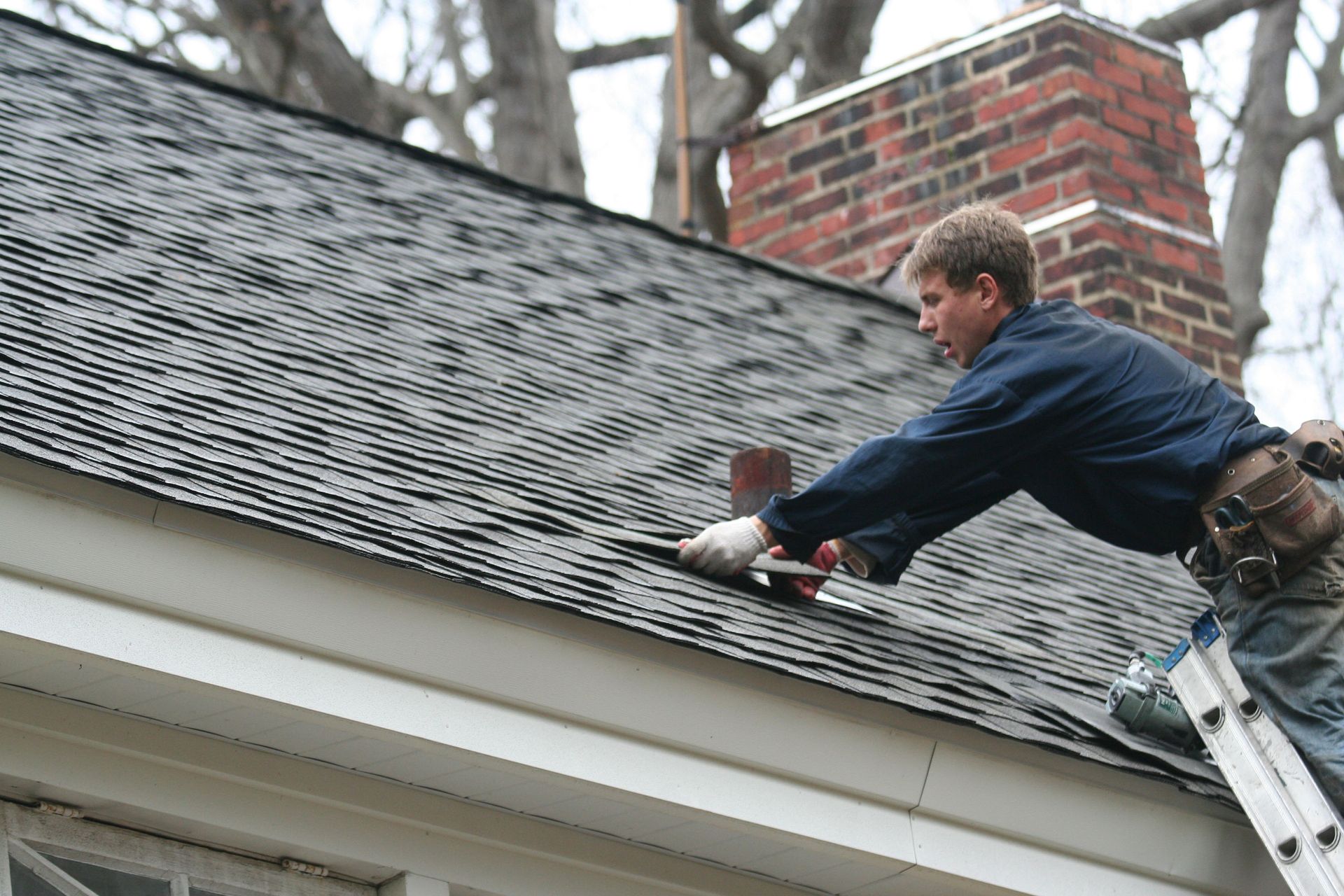
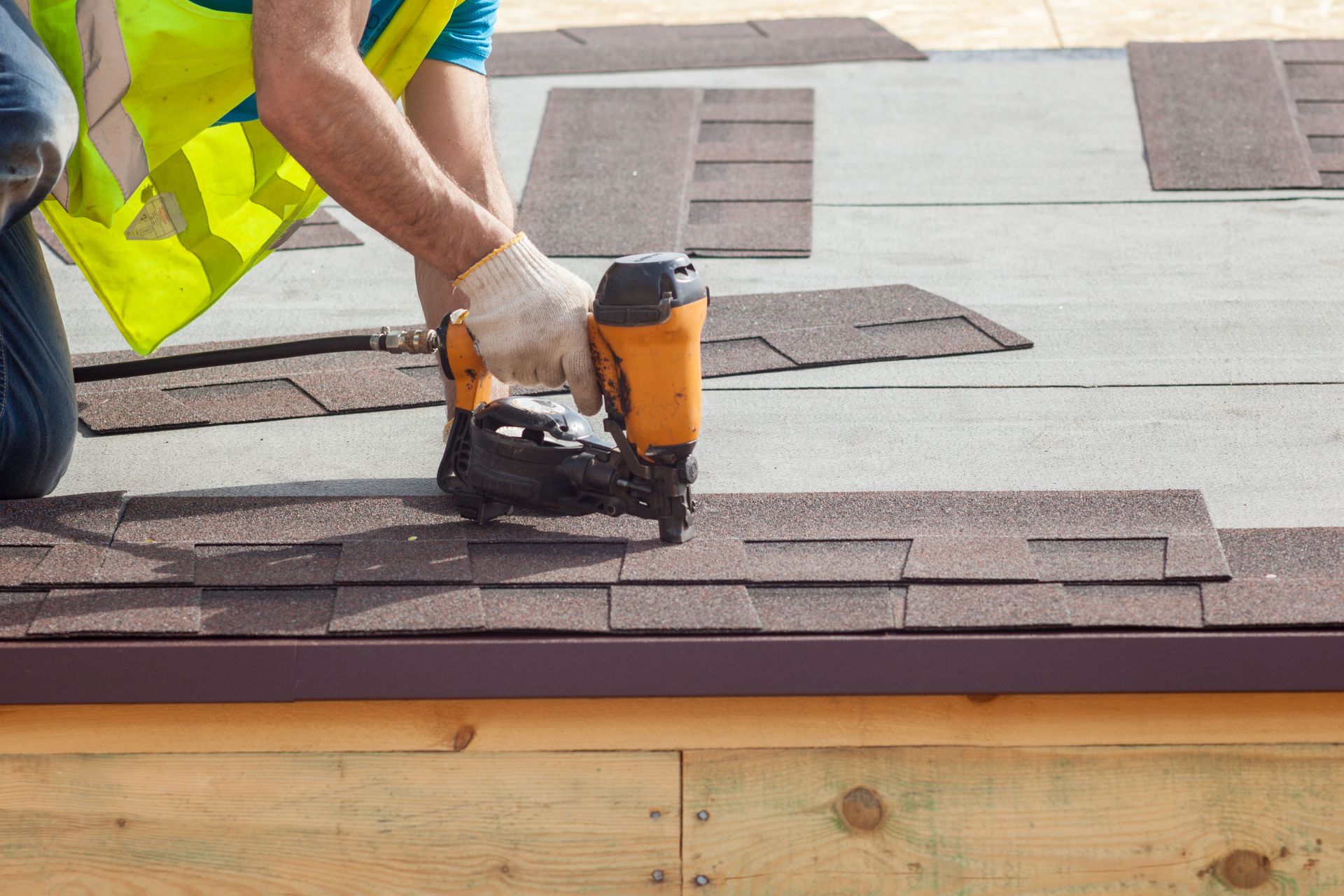
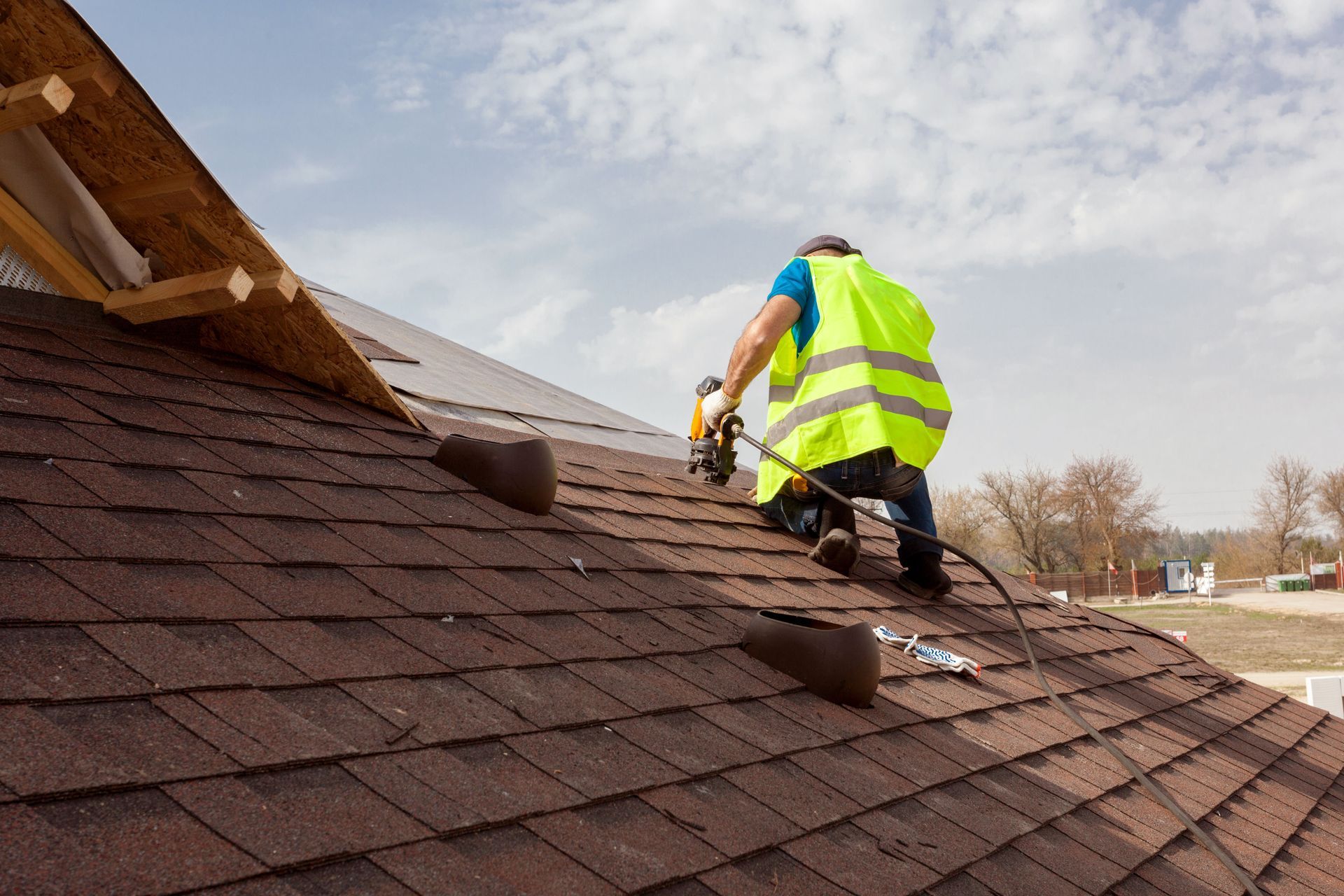
A professional contractor possesses the specialized safety gear, training, and equipment necessary to execute a comprehensive roof repair safely. Attempting to access the upper levels of a home without proper safety systems poses extreme physical risks and can lead to accidental fall injuries. Furthermore, professionals can identify underlying structural issues, such as damaged decking or compromised ventilation, that untrained observers might miss. Entrusting the entire physical restoration process to qualified experts ensures that the project is completed efficiently and safely. This professional approach preserves the manufacturer's warranty on the materials used and guarantees the structural stability of the home for years to come. Investing in professional craftsmanship is the ultimate way to secure your home against future environmental challenges.
Restoring a residential structure after a severe storm requires patience, organization, and a commitment to professional standards. From the initial ground assessment to the final application of protective materials, every phase of the process demands careful execution to ensure a successful recovery. By prioritizing safety, documenting all physical evidence, and working closely with insurance providers, homeowners can navigate the aftermath of a storm with confidence. Avoiding temporary quick fixes and investing in certified expertise guarantees that your home remains a haven for your household. When dealing with the aftermath of severe weather, securing the longevity of your home depends on swift, professional intervention. To ensure your property receives the highest level of care and a durable roof repair, contact Ameristar Roofing & Restoration.